Written by
Frank Lartey
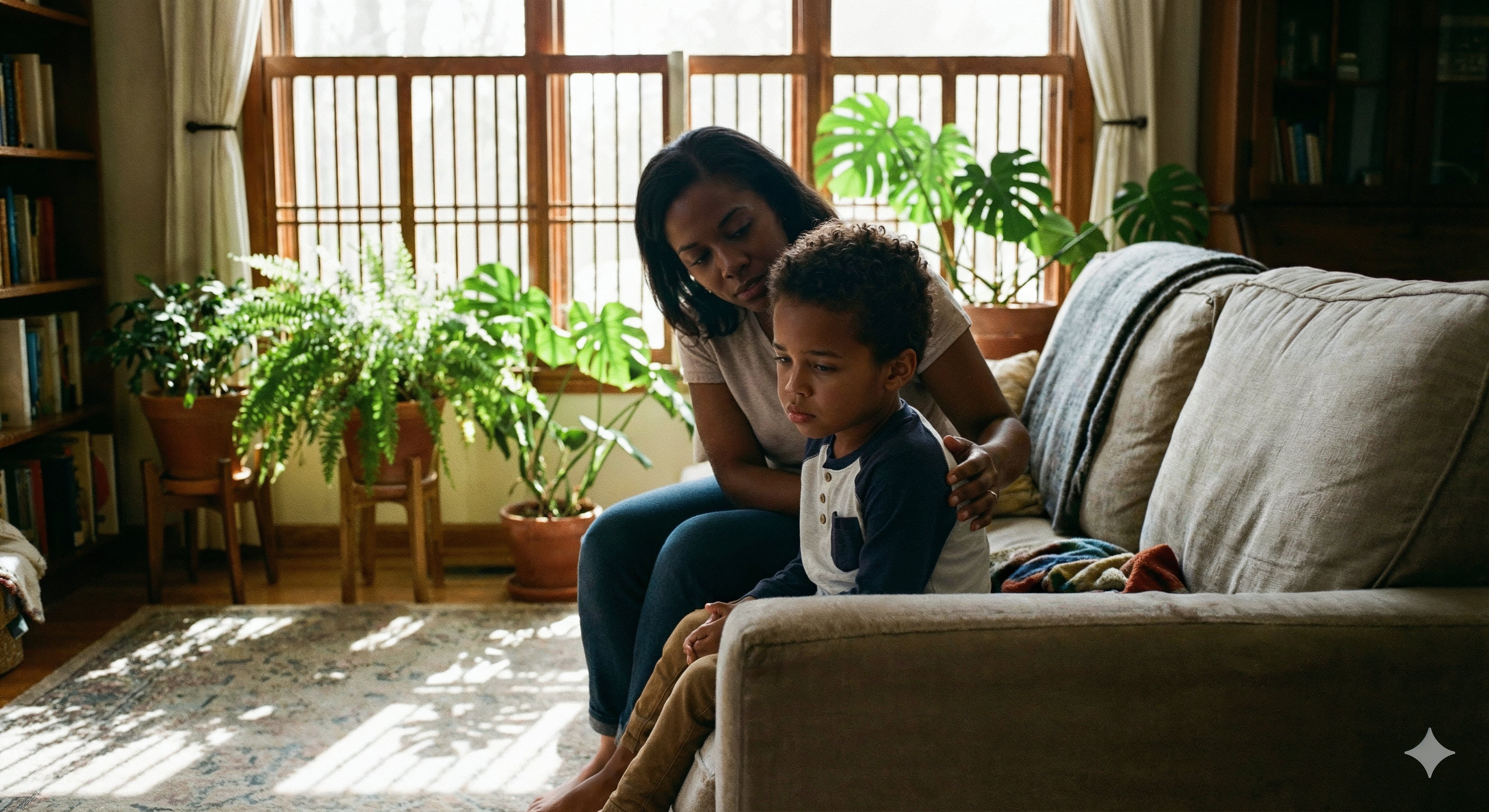
Every parent knows the feeling: your child clings to your leg on the first day of school, tears streaming down their face. Or maybe it's the nightly routine of reassuring them that yes, the doors are locked, and no, there are no monsters under the bed—for the third time. Perhaps you've noticed your once-carefree kid suddenly asking endless "what if" questions or complaining of stomachaches before tests.
Childhood anxiety is more common than many parents realize. While it's normal for children to experience fears and worries as they grow, some kids struggle with anxiety that interferes with their daily lives, affecting sleep, school performance, friendships, and family harmony. The good news? With understanding, patience, and the right strategies, you can help your child develop the tools they need to manage their big emotions and face their fears.
Understanding Childhood Anxiety
Anxiety in children looks different than it does in adults. While we might retreat or verbalize our worries, kids often express anxiety through behavior changes. A child dealing with anxiety might become clingy, irritable, or defiant. They might complain of physical symptoms like headaches or stomachaches. Some withdraw from activities they once enjoyed, while others act out or have sudden emotional outbursts.
It's important to distinguish between normal developmental fears and anxiety that needs attention. Toddlers commonly fear separation from parents, preschoolers might be afraid of the dark or imaginary creatures, and school-age children often worry about performance and acceptance. These fears typically come and go, responding to reassurance and time.
Anxiety becomes concerning when worries are persistent, intense, and interfere with your child's ability to participate in age-appropriate activities. If your child regularly avoids school, refuses to sleep alone despite being developmentally ready, or experiences frequent panic or distress, it's worth taking a closer look.
Common Types of Childhood Anxiety
Separation Anxiety is perhaps the most recognizable form of childhood anxiety. While it's developmentally normal for babies and toddlers to protest when caregivers leave, separation anxiety disorder involves excessive distress that persists beyond the toddler years. Children with separation anxiety may refuse to go to school, resist sleepovers, shadow parents around the house, or have nightmares about family members being harmed.
Generalized Anxiety manifests as chronic, excessive worry about various aspects of life—school performance, family health, natural disasters, being on time, or meeting expectations. These children are often perfectionists who struggle with uncertainty and need constant reassurance.
Social Anxiety causes intense fear of social situations and judgment by others. Socially anxious children might avoid speaking in class, resist birthday parties, or have few friendships despite wanting connection. They often fear embarrassment or humiliation.
Specific Phobias involve intense fear of particular objects or situations—dogs, thunderstorms, vomiting, needles, or insects. While many children have passing fears, phobias are persistent and cause significant distress or avoidance.
What Causes Anxiety in Children?
Anxiety in children rarely has a single cause. Instead, it typically results from an interaction between biological predisposition, temperament, life experiences, and environmental factors.
Some children are simply wired to be more sensitive and reactive. If anxiety runs in your family, your child has a higher likelihood of experiencing it too. Temperamentally cautious or "highly sensitive" children may be more prone to developing anxiety.
Life experiences also play a role. Significant changes like moving, divorce, a new sibling, or loss can trigger anxiety. Even positive changes like starting a new school can be overwhelming. Stressful family dynamics, academic pressure, social difficulties, or exposure to frightening events can all contribute.
Sometimes, well-meaning parenting can inadvertently reinforce anxiety. When we consistently rescue our children from uncomfortable situations or model anxious thinking ourselves, we may unintentionally teach them that the world is dangerous and they're incapable of handling challenges.
How to Help Your Anxious Child
Validate Their Feelings, Not Their Fears
When your child expresses worry, resist the urge to immediately dismiss or minimize it. Saying "there's nothing to worry about" or "you're fine" may seem reassuring, but it can make children feel unheard and ashamed of their emotions.
Instead, acknowledge what they're feeling: "I can see you're really worried about the field trip tomorrow." This validation helps them feel understood. Then, gently challenge the anxiety itself: "Your brain is sending you worry signals, but let's think about whether this is really as dangerous as it feels."
Avoid Excessive Reassurance
It might seem counterintuitive, but constantly reassuring your anxious child can actually make anxiety worse. When you repeatedly answer questions like "Are you sure I'll be okay?" or "What if something bad happens?" you're teaching your child that they can't trust their own judgment and that uncertainty is intolerable.
Instead, empathize briefly, then express confidence in their ability to cope: "I know you're worried, and I also know you can handle this. We've talked about your plan, and you're ready."
Help Them Face Fears Gradually
Avoidance might provide short-term relief, but it reinforces anxiety in the long run. The most effective approach is gradual exposure—helping your child face feared situations in small, manageable steps.
If your child has separation anxiety about school, you might start by having them spend short periods in another room at home, then progress to brief separations with a trusted caregiver, then short school visits, and eventually full days. The key is to make each step challenging but achievable, celebrating small victories along the way.
Teach Coping Skills
Children need concrete tools to manage anxious feelings. Deep breathing exercises can be surprisingly effective—try having younger children blow bubbles or pretend to smell flowers and blow out birthday candles. Progressive muscle relaxation, where they tense and release different muscle groups, can help release physical tension.
For worried thoughts, teach them to talk back to their anxiety. Help them identify their "worry voice" as separate from their true self: "My worry voice says I'll fail the test, but I studied hard and I'm prepared." Creating a "worry time" where they're allowed to worry for 10-15 minutes and then must move on can also help contain anxious thoughts.
Model Healthy Anxiety Management
Children learn more from what we do than what we say. When you encounter stressful situations, narrate your coping process out loud: "I'm feeling nervous about my presentation, so I'm going to take some deep breaths and remind myself I'm prepared." When you make mistakes, model self-compassion rather than harsh self-criticism.
Demonstrate that uncertainty and discomfort are normal parts of life, not emergencies to be avoided. Let your child see you facing challenges with resilience and flexibility.
Maintain Routines and Healthy Habits
Anxiety thrives on chaos and unpredictability. Consistent routines around meals, bedtime, and family time provide a sense of security and control. Make sure your child gets adequate sleep—tired brains are more vulnerable to anxious thinking. Regular physical activity helps burn off stress and improves mood. Limit caffeine and screen time, especially before bed.
Create a Calm Home Environment
Children absorb the emotional atmosphere around them. If your household is chronically stressful, chaotic, or tense, it's harder for children to feel safe and calm. This doesn't mean you need to be perfect or never show stress, but it does mean being mindful of how adult anxieties, conflicts, and pressures might be affecting your child.
Set boundaries around exposure to frightening news or media. Be cautious about discussing adult worries in front of children, as they often lack the context to understand and may personalize or catastrophize what they overhear.
When to Seek Professional Help
While many children respond well to parental support and coping strategies, some need additional help. Consider consulting a mental health professional if your child's anxiety:
Persists for several weeks or months without improvement
Significantly interferes with school, friendships, or family activities
Causes intense physical symptoms or panic attacks
Leads to avoidance of normal activities
Involves self-harm or extremely negative self-talk
Causes significant distress for your child or family
Cognitive-behavioral therapy has strong evidence for treating childhood anxiety. A skilled therapist can teach your child additional coping strategies and work through specific fears in a safe, structured way. In some cases, medication may be recommended alongside therapy, particularly for severe anxiety.
Don't let stigma or guilt prevent you from seeking help. Getting support for your child's mental health is no different than getting help for asthma or a broken bone.
The Path Forward
Helping an anxious child can be exhausting and frustrating. You might feel like you're walking a tightrope—trying to be supportive without accommodating the anxiety, validating feelings without reinforcing fears, encouraging independence while providing security.
Remember that progress isn't linear. Your child will have good days and hard days. There will be setbacks and breakthroughs. What matters is the overall trajectory and your consistent, loving presence as they learn to navigate their big emotions.
The skills you're teaching your child now—how to tolerate uncertainty, face fears, challenge worried thoughts, and cope with difficult emotions—are life skills that will serve them well into adulthood. You're not just helping them manage today's worries; you're building their resilience for all the challenges and uncertainties life will bring.
Be patient with your child and with yourself. You don't need to have all the answers or eliminate all your child's discomfort. You just need to be there, offering guidance, support, and the steady message that they are capable, you believe in them, and together, you can handle whatever comes.
Your child's anxiety doesn't define them. With your help, they can learn that they are so much stronger and braver than their worries would have them believe.