Written by
April Chen, LMSW, CGP, CCTS Licensed Master Social Worker, Certified Grief-Informed Professional, Certified Clinical Trauma Specialist
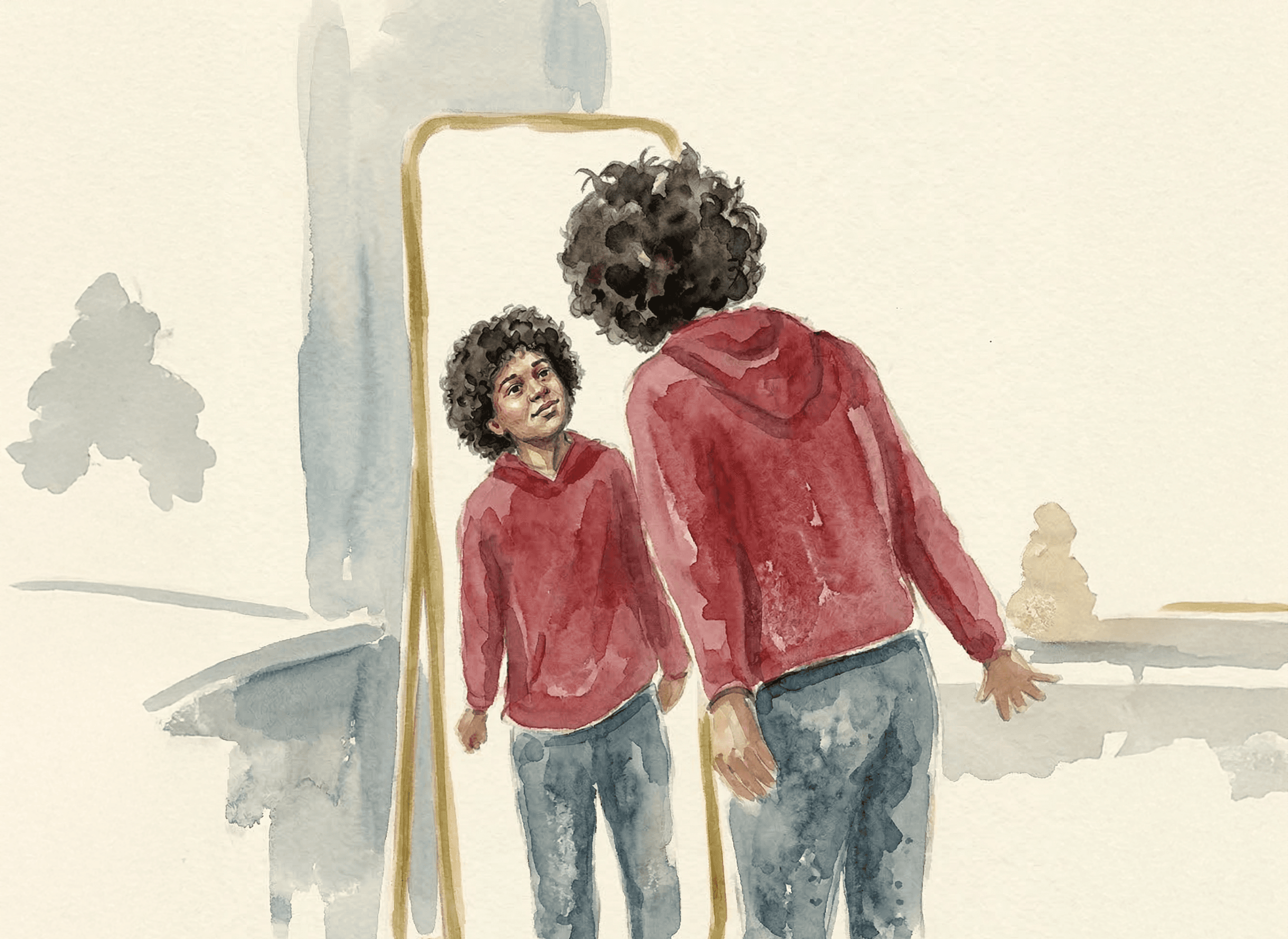
We often think of therapists as people who have always had it "all together," like blank slates who move through life with Zen-like calm. But if you walked into my office today, you might be surprised to know the "secrets" I carried for decades.
I wasn't always the confident professional you see now. I was a shy kid; I was the girl who felt invisible and ugly. For a long time, I carried a weight heavy enough to break me—and I let it break me for years because I knew nothing better.
The Search for Being Seen
Growing up, my home was defined by a specific kind of self-imposed pressure. My mother was just sixteen when I was born, and eleven months later, my brother arrived with severe cerebral palsy. Because he required so much care and attention, I stepped into a role many trauma survivors recognize: “The Perfect Child.” I thought if I was perfect, I wouldn't be a burden. I set out to make straight A’s, and when I made a B or a C one year in high school Algebra II/Trigonometry, it felt as if the world had ended. Being an "A-student" was all that defined my worth back then.
My mother worked hard in those years, returning to school to become a nurse. While I longed for a relationship with her like the one my little sister has now, I recognized that she loved me even while she was busy building our future. My grandparents stepped in to provide parental support, and we lived a simple, happy life: riding four-wheelers and swimming in an above-ground pool in rural Alabama.
Perhaps my mom and I had to grow up together, in a sense. She eventually found Jesus later in life and devoted herself to caring for my grandparents as their health declined. During that same period, my uncle succumbed to a drug overdose. My grandparents, the constants I looked up to as a little girl, passed away in 2021 and 2024. Their bodies simply wore out after battles with dementia, strokes, and heart attacks. They were the ones who led me to college, and it was through a scholarship from my grandfather’s company that I obtained my undergraduate degree.
As a young adolescent, I leaned into "cognitive distortions"—glitches in thinking like all-or-nothing logic, catastrophizing, and perfectionism, until they felt ingrained in my DNA.
The Aftermath: Hatred, Grief, and the "Rough" Years
Perfectionism is a lonely road. It led me to maladaptive coping mechanisms, like believing sex and love were the same. At 15, desperate to be "seen" and to belong to the “in crowd,” I was coaxed into a sexual relationship by a man over 20 years older than me. He used my need for validation to soothe his own marital issues. He took something I could never get back: my innocence.
While my family eventually took action against his criminal offenses, the internal damage was done. I spent my teens as a person I barely recognized: promiscuous, angry, and drowning in anxiety. In my early 20s, I faced health issues resulting from sexual abuse I had suffered even earlier, at age five.
Tired of being used and discarded, I joined eHarmony and met my husband at age 23. By then, I was working as a journalist and radio personality. A year before meeting him, I truly found Jesus after nearly dying from a serious infection. That changed me internally, but I still struggled to find where I belonged during the early years of marriage and motherhood.
My grandparents’ health declined further until they both entered hospice: a gift that allowed me to be there for their final days and last breaths. Watching someone you love take their last breath is bittersweet. Having worked in hospice, I knew they were headed to Heaven, but that didn't erase the grief that still hits me on birthdays and anniversaries. This March 15, 2026 marks two years since my grandmother passed. There are days I still miss calling her to hear her scripture of the day and her words of wisdom.
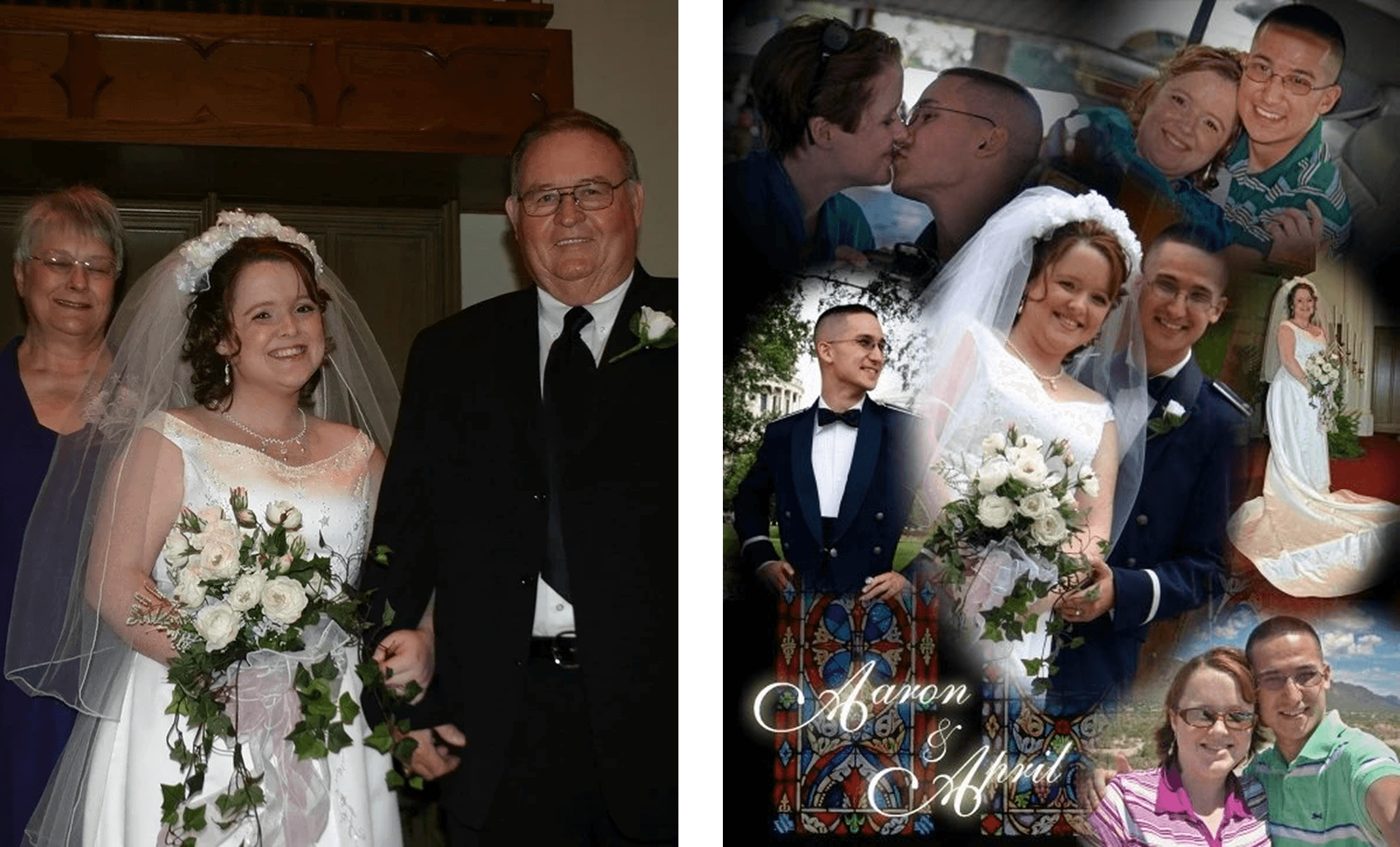
(Pictured Below: Left to Right: April at her wedding with her grandparents; April and her husband, Aaron)
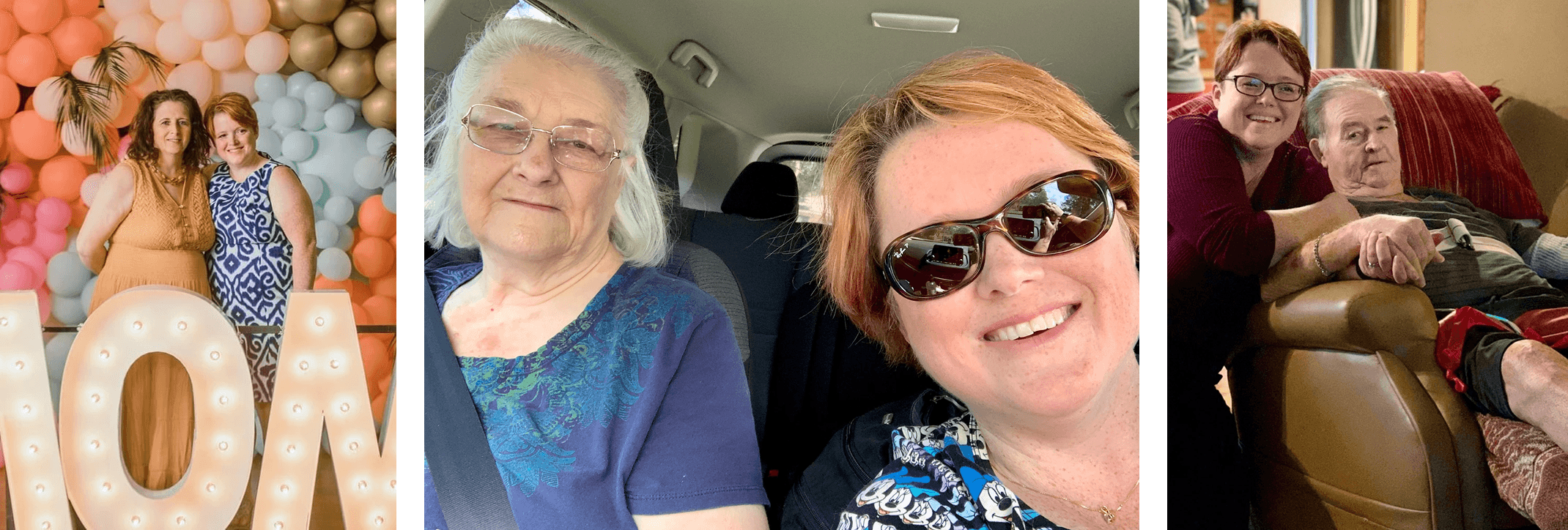
(Pictured below: Left to Right: April with her mom, April with her grandma, April with her grandpa)
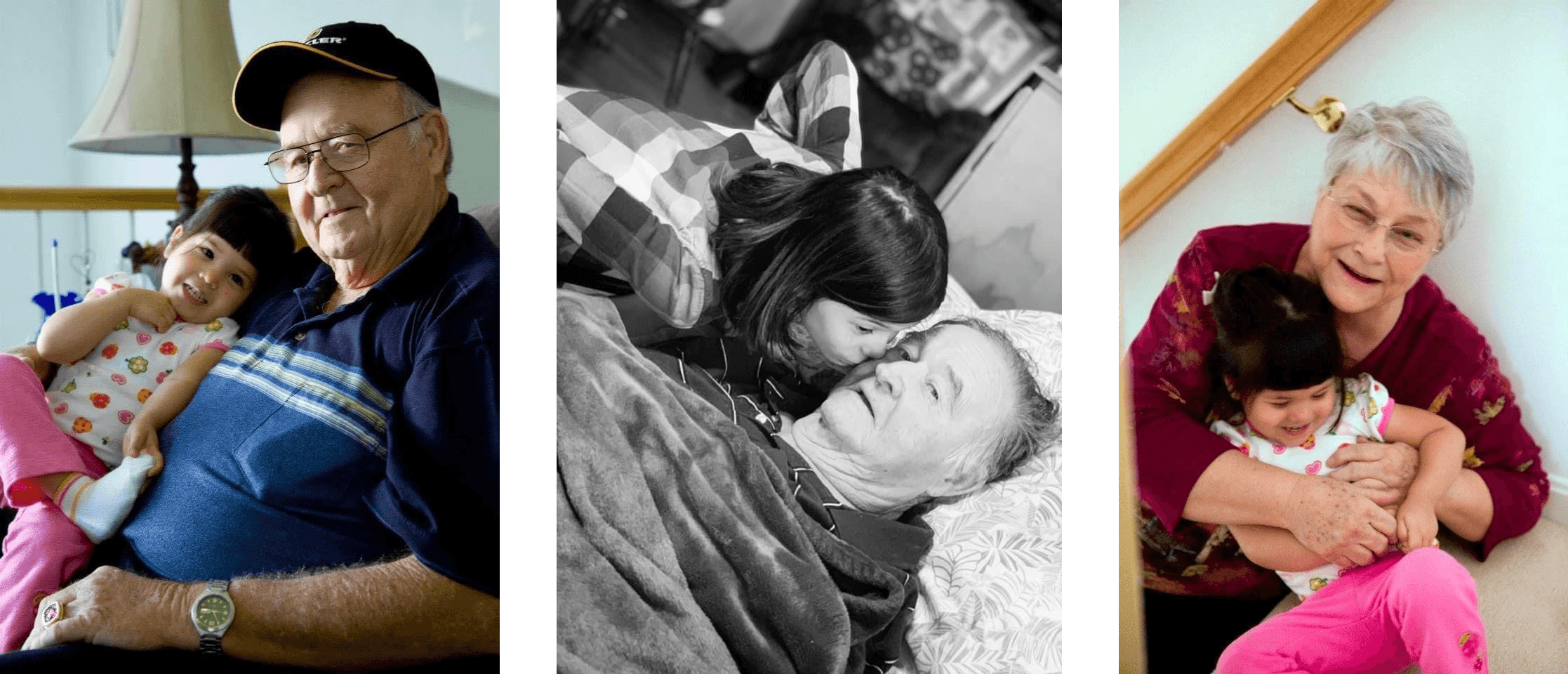
I was blessed that for 10 years of our daughter’s life, my grandparents were able to be a part of her life as great grandparents. She was able to experience the love of her “grammy” and “pappy,” differently than my own, but she was able to see how special they were.
(Pictured Below: Left to Right: April’s daughter with her great grandfather (2 photos), April’s daughter with her great grandmother)
Redemption and Resilience
The pain of losing them was a breaking point, and my husband was my saving grace. We married less than a year after meeting; he was everything I ever wanted in a family. Our union has faced strife: infertility, poor financial choices, my low self-esteem, and the fear of his military deployments–seven of them and an eighth likely coming at any time, but God has always taken care of our little family.
Today, we have been married for almost 20 years and have a beautiful 17-year-old daughter adopted from Russia. Our journey wasn't easy. I was often short-tempered and didn't know how to give nor receive healthy love. It has taken almost 40 years to learn how to reciprocate the love my husband gives—a love I never thought I was worth. Though I struggled to connect during my daughter’s early years, today she is a well-adjusted, empathetic, and loving young woman.
Pictured below, Left to Right: (April’s family, husband and daughter, Katie)
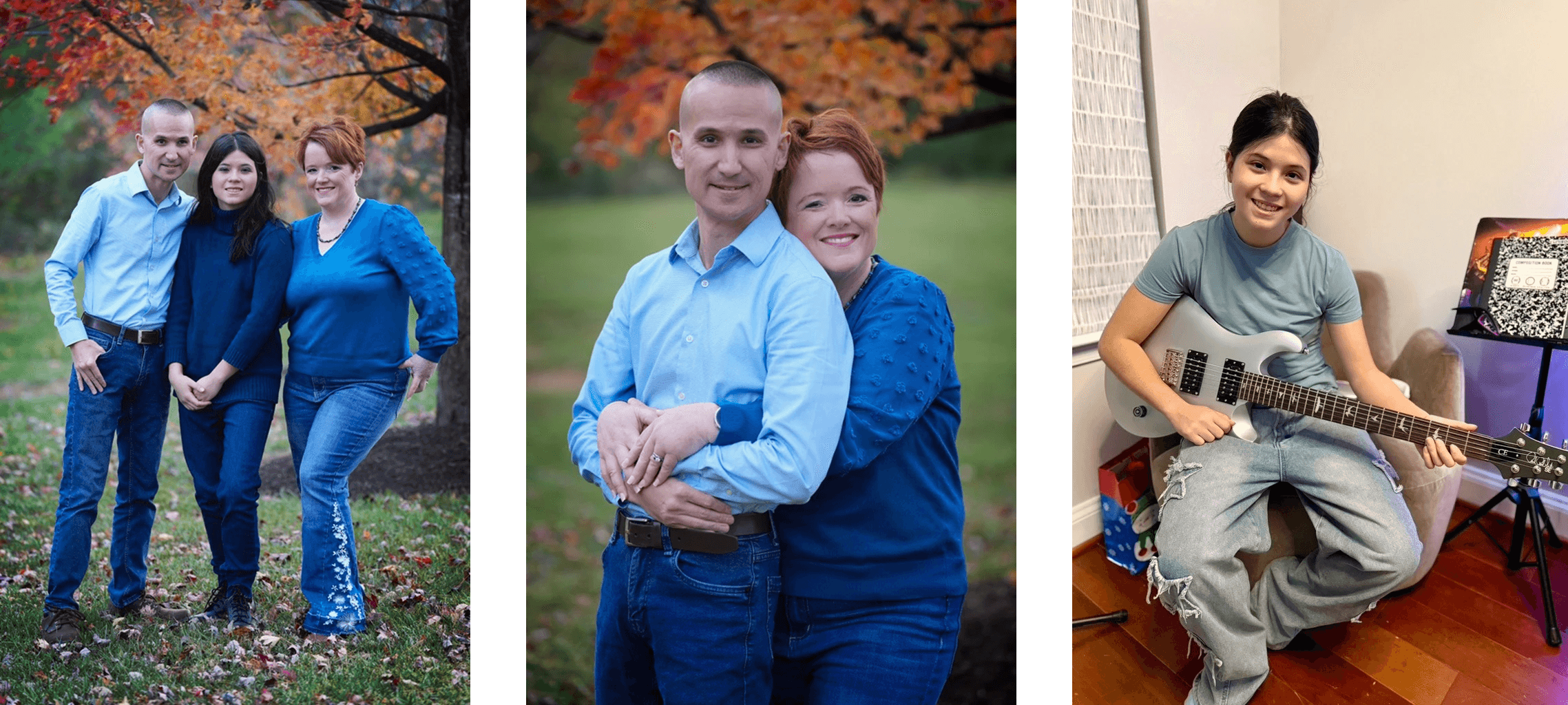
God continues to bless my marriage. I have the love of a husband who stayed when others might have given up. When we stood before our late pastor and made our vows, he meant every word, and now I do too.
Why I Specialize in Trauma and Grief
I didn't recover because time passed; I recovered because I did the work. I spent years in therapy and church unlearning shame and guilt. I had to learn how to break the ties that bound me to maladaptive behaviors.
I believe God had a plan for me the entire time, as promised in Jeremiah 29:11: “For I know the plans I have for you... plans to prosper you and not to harm you, plans to give you hope and a future.” The road was filled with potholes, but those bumps made me who I am.
As a therapist today, I work with children, teens, adults, and couples navigating the same "no-bounds" trauma I once did. When I look at my clients, I don’t see "troubled people." I see:
The survival spirit behind a "rough" exterior.
The exhaustion behind perfectionism.
The resilience that no one else has noticed yet.
Their beautiful and resilient exterior, perhaps that no one in their life has ever seen.
Healing is a Two-Way Street
Helping others continues to heal me. Every time I help a client process a repressed memory or find their footing in grief, I am honoring that shy 15-year-old girl. I am living proof that trauma is a chapter in your book, not the whole story.
If you are carrying a secret, or if you feel you must be perfect just to survive, I see you. I hear you. And there is a way back to yourself.
Note from the Author: Recovery isn't about erasing the past; it's about integrated healing. If you're ready to start your journey, you don't have to do it alone.