Written by
April Chen, LMSW, CGP, CCTS Licensed Master Social Worker, Certified Grief-Informed Professional, Certified Clinical Trauma Specialist
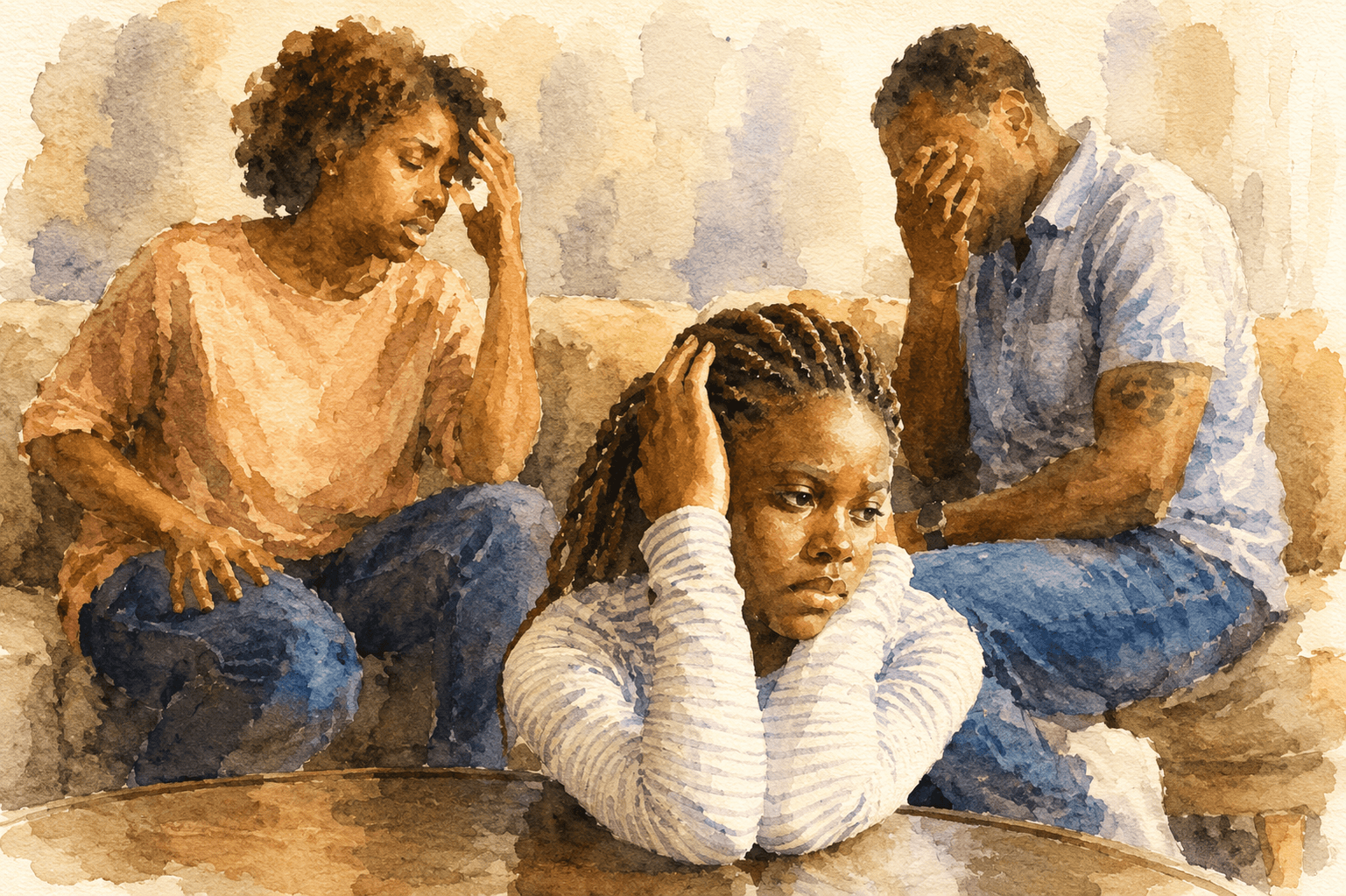
Choosing to leave or distance yourself from a toxic family environment is often portrayed as a final, triumphant act of liberation. We imagine the "brave exit" followed by immediate relief. But for many, the reality is far more complex.
What follows is often a phenomenon known as The Quiet Shock.
At Lartey Wellness Group, we walk alongside many individuals navigating this specific type of relational trauma. Whether you have gone "No Contact," established strict boundaries, or simply moved across the country to find breathing room, you may find that the silence is louder—and heavier—than you expected.
What is the "Quiet Shock"?
The quiet shock is the period of disorientation that occurs when your nervous system, which has been "wired" for chaos, suddenly finds itself in a state of peace. For years, you may have lived in a state of hypervigilance—scanning for moods, walking on eggshells, and bracing for the next emotional storm.
When that storm finally stops, your body doesn’t always know how to "turn off" the alarm. Instead of feeling peaceful, you might feel:
● Numb or Disconnected: A sense of "phantom" stress, where you feel like something is wrong simply because nothing is happening.
● Guilt and "Grief-Adjacent" Pain: Even if the family environment was harmful, there is a profound grief for the family you wished you had, and the guilt of being the one who left.
● Hyper-Responsibility: You may still feel an urge to "fix" things or check in, struggling to break the habit of managing other people’s emotions.
Why Does Peace Feel Like a Threat?
From a clinical perspective, your brain has adapted to survive. If you grew up or lived long-term in a toxic family, your "baseline" for normal was high-stress. In the absence of that stress, your brain may interpret the silence as the "calm before the storm."
This is why many people in the "quiet shock" phase find themselves picking fights in their new healthy relationships or feeling a sudden spike in anxiety. Your nervous system is looking for the familiar chaos it knows how to handle.
Healing through the Silence
If you are currently in this "quiet shock" phase, know that you are not "doing healing wrong." You are simply recalibrating. Here are a few ways to navigate this transition:
1. Validate the Grief: It is possible to be 100% certain that leaving was the right choice and still be 100% heartbroken that it had to happen. Give yourself permission to mourn.
2. Soothe the Nervous System: Since the quiet shock is a physical response, focus on "bottom-up" healing. This includes breathwork, grounding exercises, and spending time in nature to teach your body that it is safe now.
3. Redefine "Normal": Peace is a learned skill. It takes time to get used to the idea that you don’t have to earn your rest or justify your boundaries.
4. Seek Professional Support: Relational trauma is deep-rooted. At Lartey Wellness Group, our clinicians specialize in trauma and family dynamics, helping you unpack the "quiet shock" and rebuild a life based on your own values, not your family’s expectations.
You Don't Have to Walk This Path Alone
The journey away from a toxic family is a brave one, but it can be incredibly lonely. If the "quiet shock" is feeling more like an overwhelming weight, we are here to help. Our team offers virtual and in-person sessions to help you process your past and reclaim your future.
Are you ready to find your peace? Contact Lartey Wellness Group todayto schedule a free 15-minute consultation. Whether you are in Maryland, Florida, or connecting with us globally, we are committed to being your ally in healing.