Written by
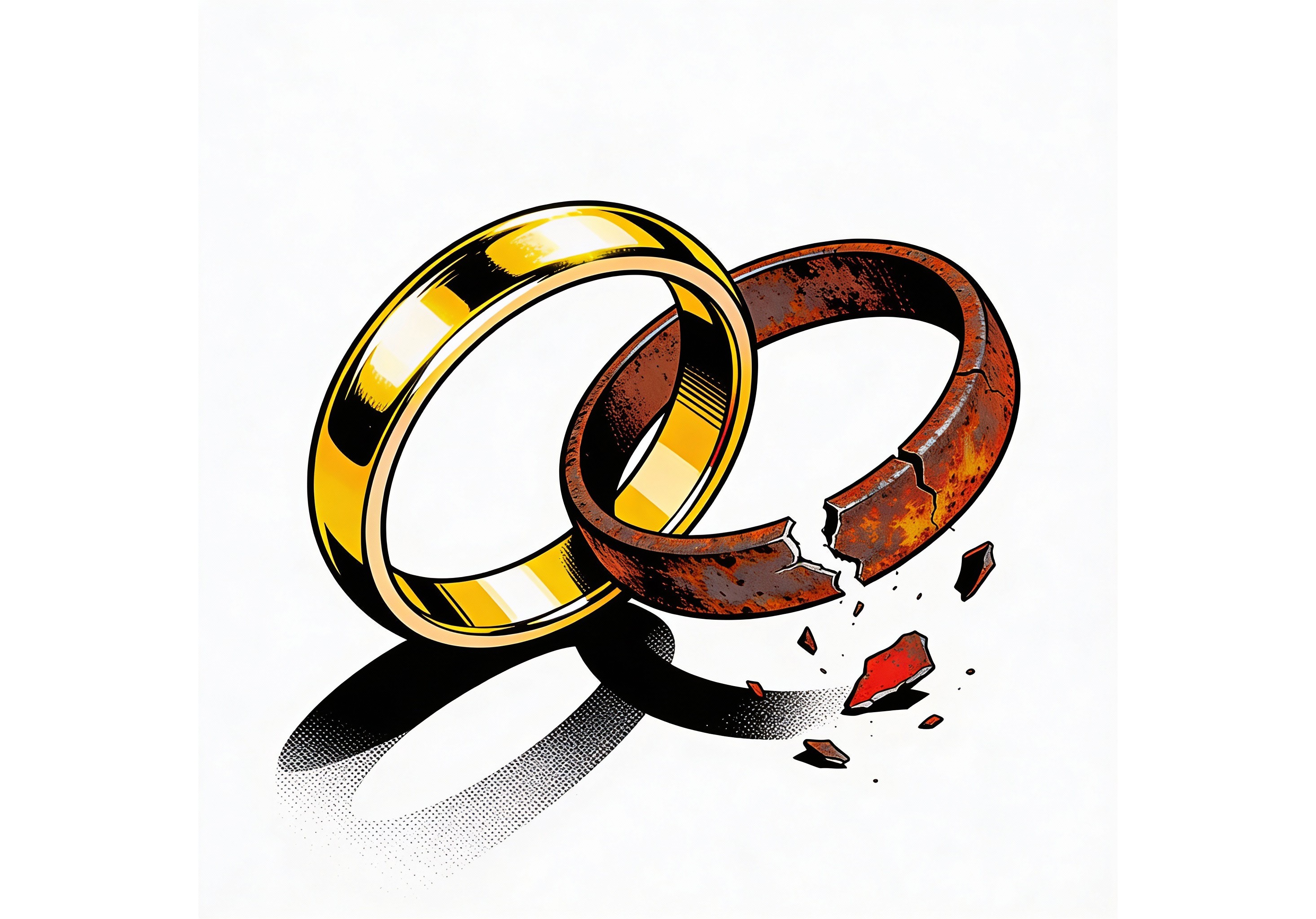
Many people come to therapy with a simple but painful sentence:
“I feel alone in my marriage.”
It’s often written quietly in an intake form or spoken hesitantly in a first session. And for many couples, that feeling of loneliness doesn’t mean the relationship is over, it means something important has gone unspoken for too long.
Feeling alone in a marriage can be confusing and isolating, especially when you’re still sharing a home, responsibilities, and daily life. Emotional distance can develop slowly, and by the time it’s noticed, it can feel overwhelming.
This post is for anyone who recognizes that feeling, and wonders what it means, why it happens, and whether reconnection is possible.
What Does It Mean to Feel Alone in a Marriage?
Feeling alone in a marriage doesn’t always mean frequent conflict or constant arguing. In fact, many couples who feel emotionally disconnected report that they rarely fight at all.
Emotional loneliness often shows up as:
Feeling unseen, unheard, or emotionally unsupported
Missing a sense of closeness or emotional safety
Wanting connection but not knowing how to ask for it
Feeling like roommates rather than partners
You might still function well as a team, managing finances, parenting, and schedules, while quietly grieving the loss of emotional intimacy.
Signs of Emotional Withdrawal in a Marriage
Emotional withdrawal is one of the most common reasons people feel alone in long-term relationships. It doesn’t always happen intentionally, and it doesn’t always come from a lack of love.
Some common signs include:
1. Conversations Feel Surface-Level
You talk about logistics, work schedules, kids, errands, but rarely about feelings, dreams, or concerns. Deeper conversations may feel awkward, rushed, or avoided.
2. Reduced Emotional Responsiveness
When you share something meaningful, your partner may seem distracted, dismissive, or emotionally unavailable, even if they’re physically present.
3. Avoidance of Conflict or Vulnerability
Instead of working through disagreements, one or both partners may shut down, change the subject, or withdraw to keep the peace.
4. Feeling Like You’re Carrying the Emotional Load Alone
You may be the one initiating conversations, expressing needs, or trying to reconnect, while feeling like your partner is disengaged.
5. Loneliness Despite Togetherness
Perhaps the most painful sign: you feel lonely even when you’re together.
Why Emotional Disconnection Happens
Emotional withdrawal doesn’t mean failure. It often develops as a response to stress, unmet needs, or unhealed wounds.
Some common contributors include:
Chronic stress from work, parenting, or caregiving
Unresolved conflicts or repeated hurt
Mental health challenges such as depression or anxiety
Different communication styles or attachment needs
Life transitions that change roles and expectations
Over time, partners may protect themselves by pulling back emotionally, not because they don’t care, but because connecting feels risky or exhausting.
How to Begin Reconnecting Emotionally
Reconnection doesn’t happen overnight, and it rarely starts with grand gestures. It begins with small, intentional steps toward emotional presence.
1. Name the Loneliness Without Blame
If you choose to share how you’re feeling, focus on your experience rather than accusations.
For example:
“I’ve been feeling emotionally distant and lonely lately, and I miss feeling close to you.”
This opens the door to connection rather than defensiveness.
2. Create Space for Emotional Check-Ins
Even brief, intentional moments, asking “How are you really doing?”, can help rebuild emotional safety over time.
3. Notice Patterns, Not Just Problems
Instead of focusing only on what feels wrong, try to understand when and how disconnection shows up. Awareness is a powerful first step.
4. Allow for Different Emotional Speeds
One partner may be ready to talk sooner than the other. Reconnection often requires patience and mutual willingness, not pressure.
5. Consider Couples Therapy as a Supportive Space
Many couples seek therapy not because they want to separate, but because they want help finding their way back to each other.
A trained therapist can help:
Identify patterns of emotional withdrawal
Improve communication and emotional safety
Rebuild trust and intimacy at a manageable pace
You Don’t Have to Feel Alone in This
If you’re thinking, “This sounds like my marriage,” you’re not alone, and you’re not broken for feeling this way.
Emotional loneliness in a marriage is a signal, not a verdict. With support, honesty, and care, many couples are able to reconnect in deeper, more meaningful ways than before.
At Lartey Wellness Group, our therapists work with individuals and couples navigating emotional disconnection, communication challenges, and relationship stress. Whether you come alone or together, support is available.
Reaching out can be the first step toward feeling less alone.